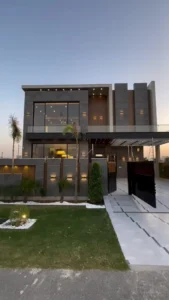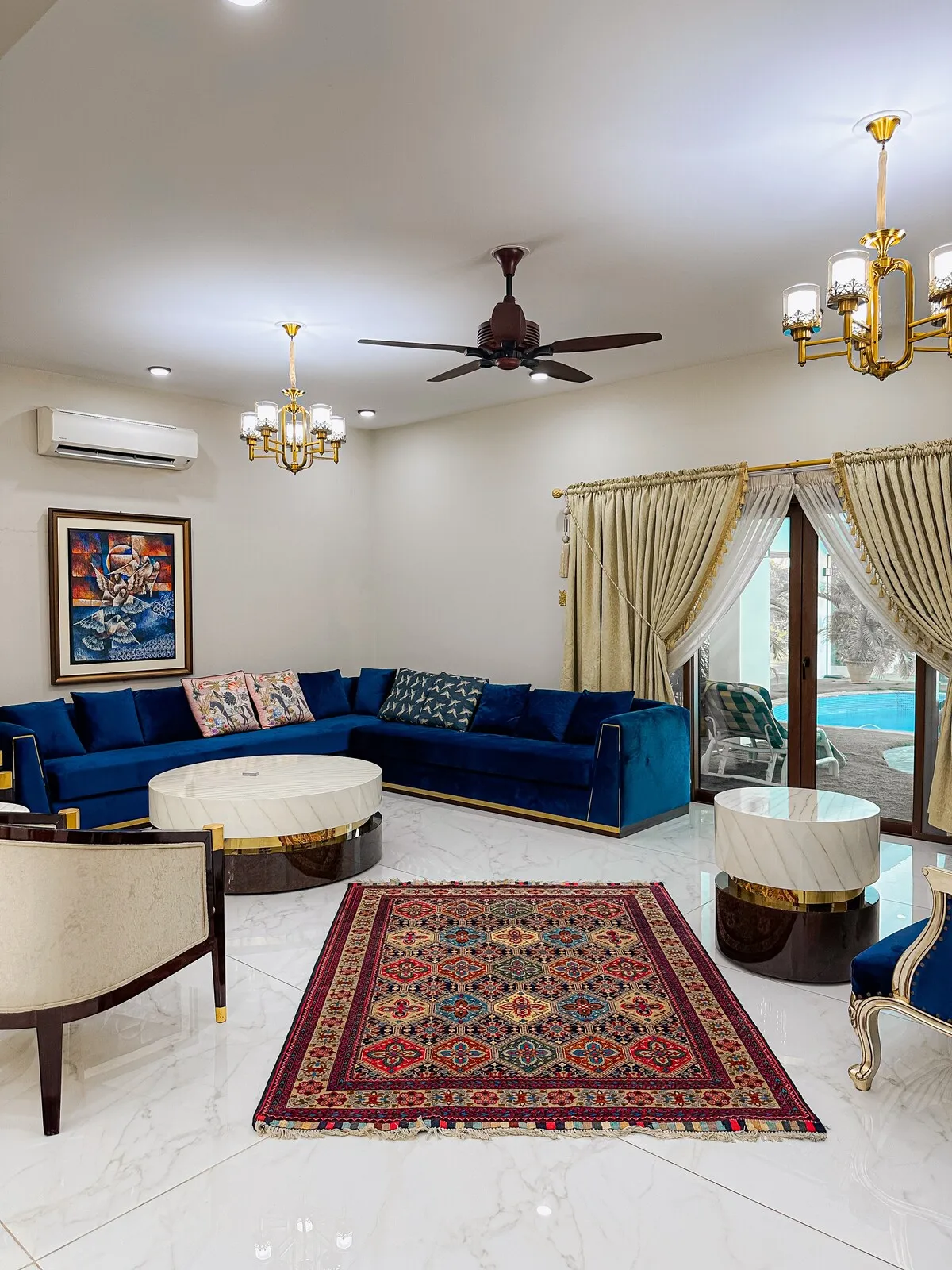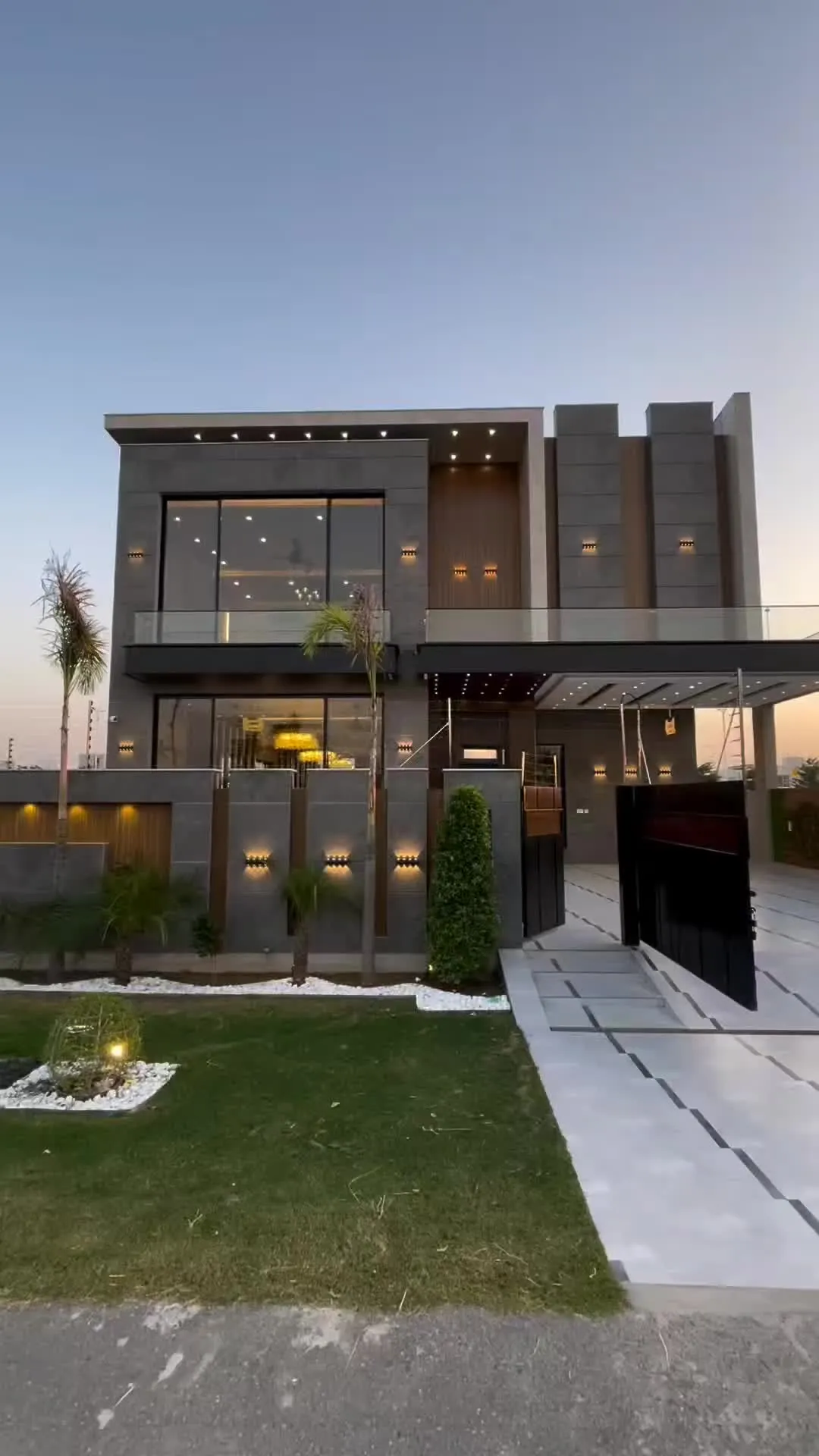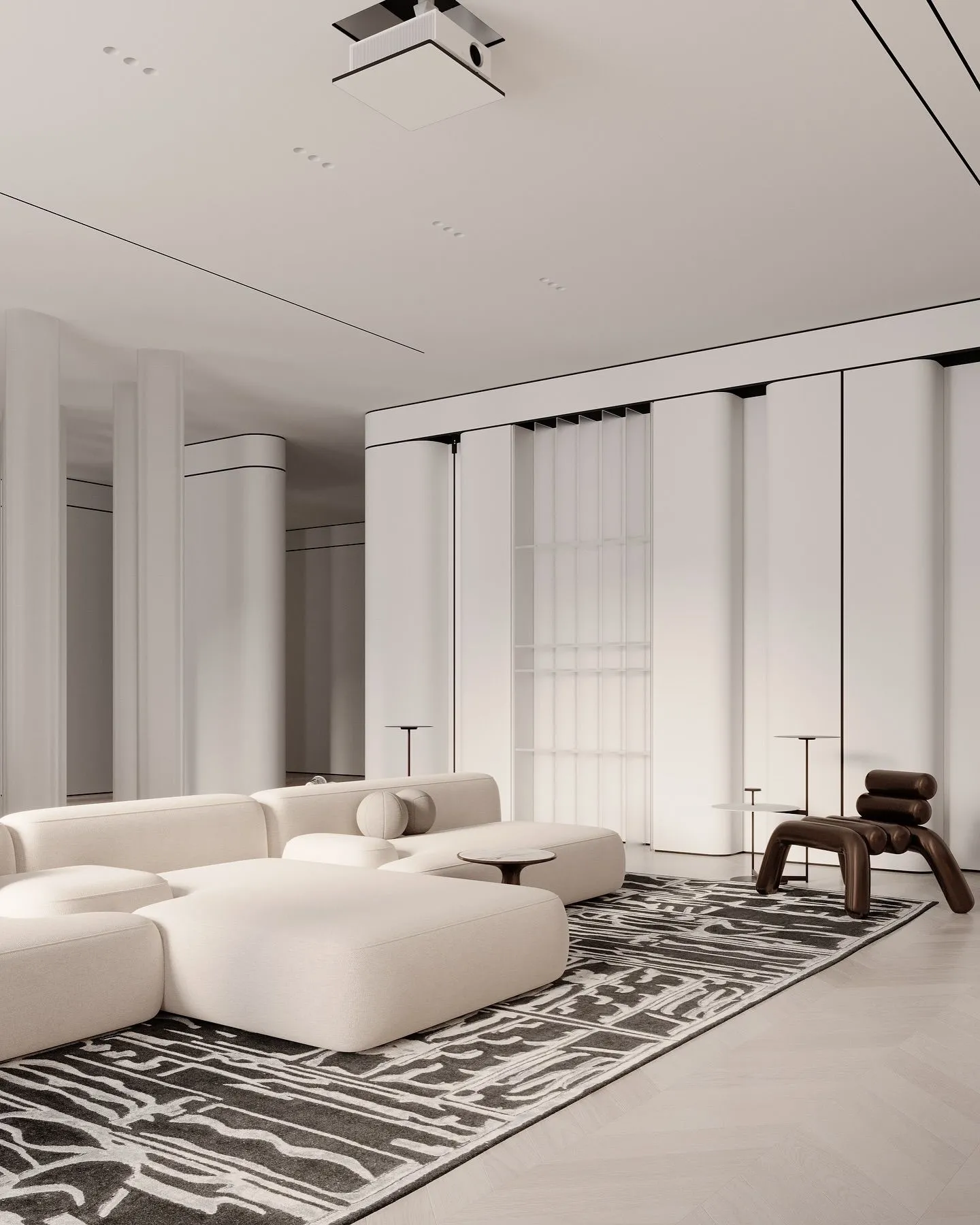
In modern architecture, 3D design and walkthrough technology have become essential tools for both architects and clients. These advanced visualization techniques allow people to see their project in a realistic digital form before the construction process begins.
One of the biggest advantages of 3D design is clear visualization. Traditional 2D drawings can sometimes be difficult for clients to understand. However, 3D models present the building in a realistic way, allowing clients to see how the exterior, interior, and layout will look in real life.
3D walkthroughs take visualization a step further by creating a virtual experience of the building. Clients can explore different rooms, view the layout, and understand how spaces connect with each other. This makes it easier to identify design improvements before construction begins.
Another benefit of 3D design is better decision-making. When clients can see their home in a realistic format, they can make more confident decisions about materials, colors, lighting, and furniture placement. This reduces confusion and ensures that the final result matches the client’s expectations.
Architects also benefit from 3D design because it helps them detect potential design issues early. Problems related to space, structure, or aesthetics can be corrected before construction begins, saving both time and money.
3D visualization also improves communication between architects, engineers, and contractors. Everyone involved in the project can clearly understand the design, which reduces mistakes and improves construction efficiency.
In today’s competitive construction industry, 3D design and walkthroughs have become an important part of professional architectural services. They help turn ideas into clear visual concepts, ensuring that clients feel confident about their project before the first brick is laid.